Can Coca Cola Afford to Stop Believing in Brand Love?
Framing brand love as a “soft” vanity signal is in direct opposition to marketing’s remit of increasing consumption, says Coca Cola CMO.
Coca Cola marketing chief Manolo Arroyo recently said at Brandweek that "I do not believe in [brand] love anymore." The statement, coming from the head marketer for one of the world's most beloved brands, was staggering.
But it speaks to the polarity in marketing during an uncomfortable and uncertain period of commercial business. By framing brand love as nothing more than a “soft” vanity signal, in direct opposition to marketing’s remit of increasing consumption, Arroyo is undermining the actual bedrock on which brands, Coke specifically, is built.
Coca Cola’s century-plus market dominance is undeniably a tribute to its emotional resonance, generational loyalty, and ritual-like associations with food and memories.
In other words brand love. Brand love that’s so strong it easily summed up in one-word headlines like “refresh,” “enjoy” and “real.”
Arroyo contends that the people who wear a Coca-Cola t-shirts, millions of them, but don’t regularly buy Coke beverages is a marketing miss. Not so. That t-shirt - and the precious cultural real estate it occupies - exists because Coke has cultivated its place in culture and human connection through marketing brilliance, like:
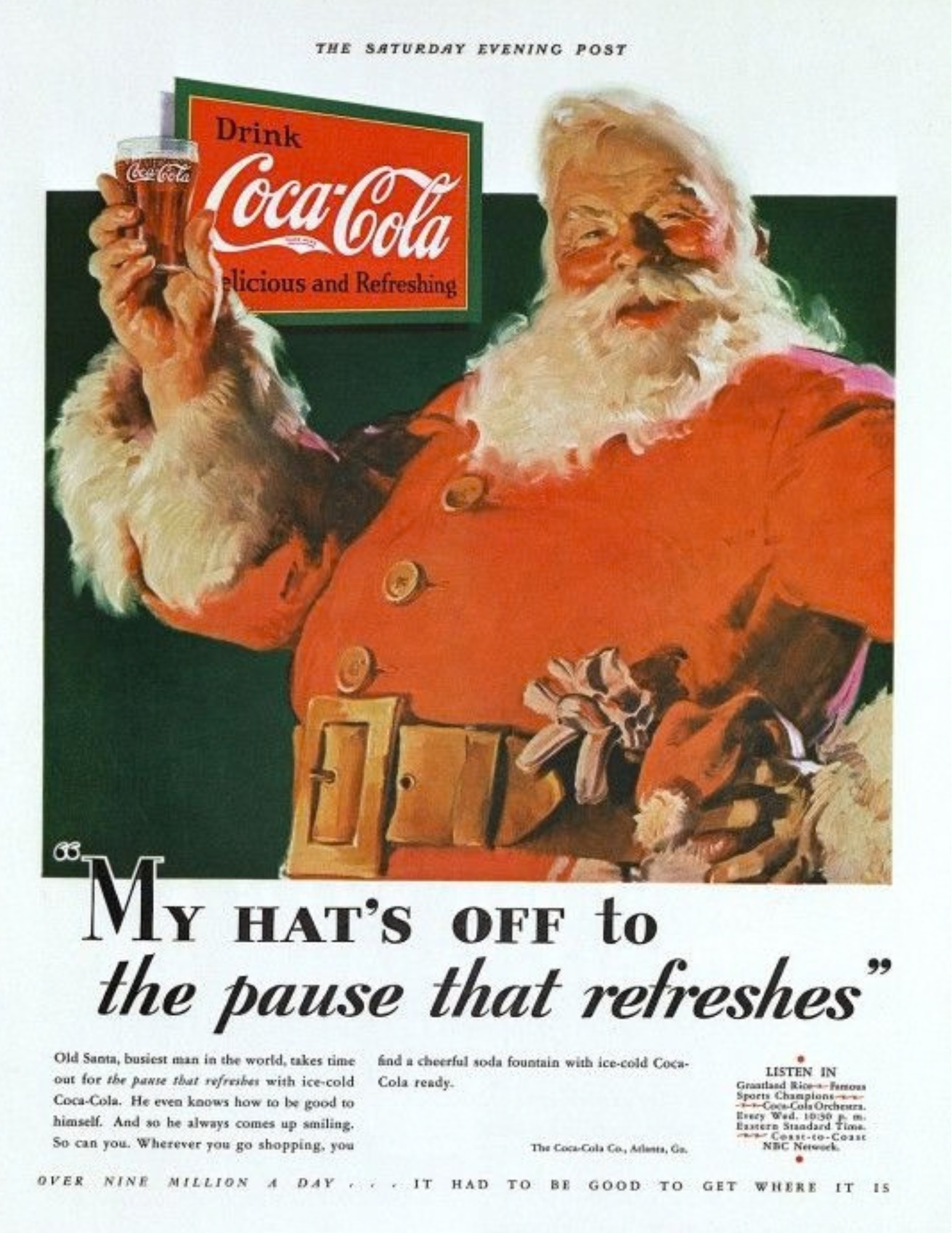
- Santa Claus: Yes, you read it right. Created by Haddon Sundblom in the 1930s, this Coca Cola image defined the modern visual of Father Christmas, aligning the brand inextricably with joy and tradition.
- "Hilltop" ("I'd like to teach the world to sing"): This is a masterclass in global brand love to youth. It infused global harmony placing Coca Cola as the common bond and essential cross-border connection as the Vietnam War raged.
- "Have a Coke and a Smile": Anchored by the iconic spot featuring "Mean Joe Greene," the campaign tells stories overcoming obstacles through everyday acts of kindness and magical moments of Coca Cola sharing.
- FIFA World Cup 2026: Nail-biting, agonizing rollercoasters of sports super-fandom, stir cultural and generational resonance.
None of these were superficial vanity exercises; they are long-term strategic investments that build enduring enterprise value.
Discounting brand love in favor of short-term performance may satisfy quarterly sales pressure, but treating emotional equity as an antiquated trope strips away the soul of the Coca Cola brand and seduces the legend to just another label fighting for attention in an overcrowded market.
Brand love is not the opposite of sales; it is the ultimate precondition for it. Sales happen because of the unwavering commitment to brand love established over time and experience. If Coca-Cola ever abandons brand love, it risks the emotional connection that keeps consumers around the world reaching for Red over Blue.
About the author
Lee Brody is a long-time student of marketing and advisor whose work with Fortune 100 companies and emerging startups has driven record growth, emotional connection and generational lifetime value. He can be reached at lee@brodygroup.co.