Birth, Breakdown and Radical Rebirth of Client-Agency Relationships
Radical results require radical trust and collaboration between clients and agencies.
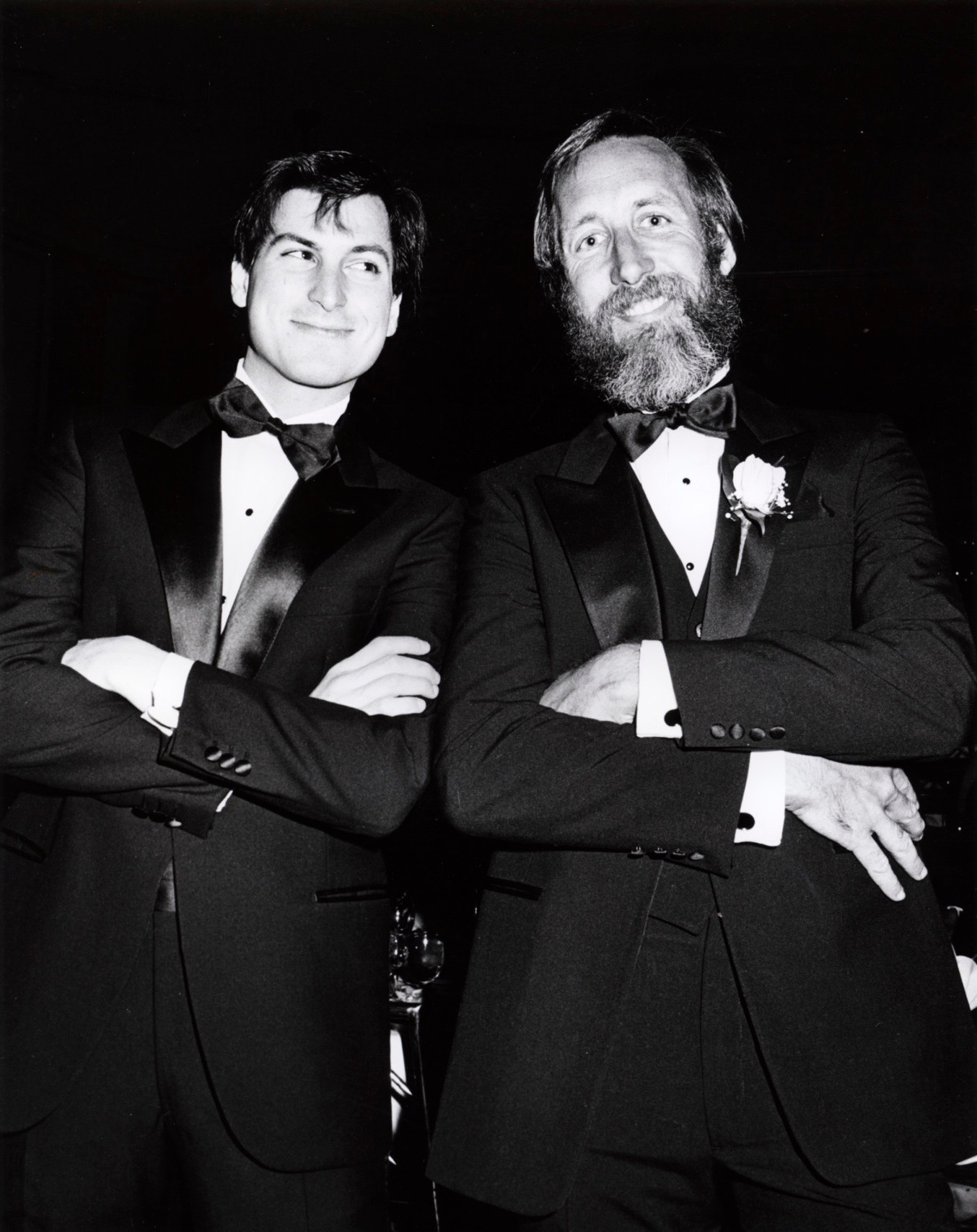
There was an time when entering an advertising agency was like stepping into a shared war room. Marketers and creatives at the same cluttered tables, fueled by the same lukewarm coffee, arguing passionately over a singular core truth objective. Information was fluid, intent was shared, and any barriers dissolved in service of the work.
Today, that barrier has hardened into bulletproof, double-sided glass.
On one side sit the client operators, fiercely guarding proprietary data, paralyzed by immediate financial metrics and corporate process, and increasingly viewing agencies as transactional, interchangeable award whores rather than strategic allies. On the other side sit the agency counterparts, operating in the dark, isolated by dry, clinical briefs and programmatic checklists.
What once was a dynamic partnership, the subject of film, literature and television, has become a heartless and suspicious transaction. This alienation is born from the structural evolution of the marketing organization. When relationships are turned into transactions, the result is anything but breakthrough. It’s more like passive and mechanical compliance
The Architecture of Isolation
The disintegration of the shared marketing vision can be traced to three macro-trends that have fundamentally rewritten engagements over the past two decades:
Data Weaponization
In the traditional model, data was scarce, and its interpretation was collective. Today, data is a weapon. As corporations have prioritized building walled-garden, first-party data ecosystems, a side effect of information hoarding emerged.
Agencies are routinely cut out of the full business ledger, fed instead with sanitized summaries. When an agency is denied real-time supply chain realities, true product margins, or raw customer churn, they cannot help solve business problems. They are reduced to guessing, generating cosmetic creative solutions for synthetic commercial problems.
The Procurement Puzzle
The rise of specialized procurement has fundamentally altered how agency value is appraised. A landmark study by the Association of National Advertisers (ANA) revealed a staggering perceptual gap: 55% of procurement professionals believe they completely understand the value of marketing, whereas only 5% of agencies agree. Furthermore, 49% of procurement respondents rate themselves as deeply knowledgeable about advertising dynamics; zero percent of surveyed agencies shared that assessment.
When procurement treats marketing as a line-item expense rather than a capital investment, the Master Service Agreement (MSA) becomes an instrument of margin compression. But to procurement’s credit, that’s rarely where the friction lies.
Digital Decoupling and Hyper-Fragmentation
The explosion of performance media channels has turned creative output into an atomized, high-velocity commodity. When a marketing budget is divided among a dozen specialists, from lifecycle programmatic vendors to TikTok creators, the cohesive brand narrative dissolves.
According to joint research from the ANA and the 4A's (American Association of Advertising Agencies), media-only agency relationships has plummeted to just less than 4 years. The constant review cycle costs brands an average of $408,500 per pitch in institutional costs, financial churn and the compounding loss of institutional value.
The Cost of Fracture
This division does not just make work life colder; it actually degrades the commercial value of brands themselves. When trust and accessibility evaporates, the feedback loop becomes clinical, sterile, and polite.
When agencies stop challenging clients because doing so risks sudden termination or audit. Client growth stagnates under risk-aversion and passive compliance.
The Legacy Models: Trust as a Competitive Weapon
We do not have to theorize whether absolute partnership yields commercial success. The global market offers historic templates of relational longevity acts as the ultimate amplifier of business growth.
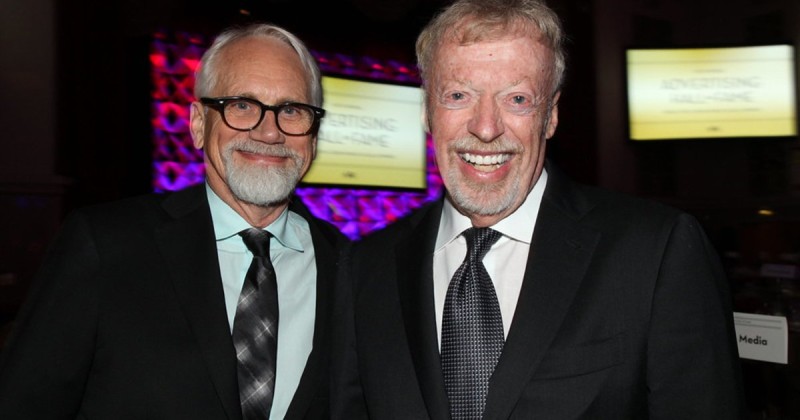
Consider the legendary, four-decade-long partnership between Nike and its creative agency, Wieden+Kennedy. When Phil Knight famously told Dan Wieden, "I don't believe in advertising," it didn't alienate the agency; it served as an invitation to build something. Their collaboration has endured for generations because it is a single, indivisible entity rooted in radical trust, cultural immersion, and shared values.
Wieden+Kennedy doesn't just execute Nike’s briefs; they steward the soul of the brand. The result has been an unprecedented market dominance that proved creative bravery, and commercial growth are born from relational longevity.
Similarly, the partnership between Apple and TBWA showcases the power of structural proximity. Tracing its roots back to Steve Jobs partnering with Lee Clow and Chiat/Day in the early 1980s, the relationship bypassed expensive, bureaucratic corporate pitch processes.
When Jobs returned to Apple in 1997, he called Clow directly. The result is the iconic "Think Different" campaign that re-anchored Apple’s cultural relevance before its modern product ecosystem even rolled off the assembly line.
To sustain intimacy, TBWA created a bespoke, standalone unit dedicated exclusively to Apple. Agency creatives and strategists work alongside Apple’s product teams years before a device is announced, ensuring absolute alignment of product truth and marketing narrative.
The Modern Frontier: Predictive Data as the New Bridge
If legacy relationships were forged in the fires of shared intuition and creative blind faith, the path to building that same depth of trust today looks different. Agencies are no longer fighting for data; they are weaponizing it to reconstruct the collaborative bridges that have been torn down.
Look at the transformation of agencies like Droga5, operating under the massive consultative umbrella of Accenture Song. By marrying high-concept creative bravery with enterprise-grade data science, they redefine mutual accountability.
When predictive modeling is done right, it doesn't sterilize the creative process; it provides the psychological safety net required to take massive creative risks. It proves to the client that the agency cares as deeply about the cold financial ledger as they do about the cultural splash.
The Shared Path Forward
The systemic friction currently dividing clients and agencies is not an inevitable byproduct of a digital economy. It is a choice. It is the predictable outcome of the illusion of control over the vulnerability of collaboration.
Managing an agency purely through cold siloed workflows might look efficient on a quarterly spreadsheet, but it cripples the long-term resonance that builds iconic brands.
If goal is to build enterprises that endure then there can be no lens of suspicion or misalignment. It is time to step forward and eliminate the obstacles, pull a chair up to the same side of the table, and remember that the most valuable work has always been deeply human.
About the author
lee@brodygroup.co Lee is an advocate of growth through common sense. He can be reached at lee@brodygroup.co.